Moving can often feel like a daunting task, filled with countless details to manage and decisions to make. Understanding the moving process is crucial for a smooth transition from one home to another. From the moment you decide to relocate, planning and organization become your best allies. The key to a successful move lies not just in packing your belongings but in knowing how to approach each step methodically. As you embark on this journey, it’s essential to consider packing tips that can simplify your experience.
One of the most significant aspects of moving is determining what to pack last. This decision can greatly impact your comfort during the final hours before you leave your old home. By prioritizing certain items and understanding their importance, you can ensure that you have everything you need at your fingertips when the time comes to say goodbye. In this article, we will delve into the intricacies of the moving process, highlighting effective strategies for last minute packing. By grasping the nuances of what should be packed last, you’ll not only ease your stress but also enhance your overall moving experience.
Let’s explore how proper planning can transform what is often perceived as a chaotic endeavor into a well-orchestrated operation.
Why Timing Matters in Packing
When it comes to moving, timing plays a crucial role in ensuring a smooth transition. Understanding the packing timeline can significantly impact your moving day experience. The order in which you pack your belongings can either alleviate stress or add to it, making it essential to plan accordingly.One of the most important aspects of timing is knowing what to pack and when. For instance, items that you use daily, such as toiletries, clothing, and kitchen essentials, should be among the last things you pack.This allows you to maintain your routine right up until moving day. Conversely, items that are rarely used, like seasonal decorations or out-of-season clothing, can be packed well in advance.
Creating a Packing Order
Establishing a packing order can help streamline the process:- Start Early: Begin packing non-essential items at least a few weeks before your move.
- Prioritize Essentials: As moving day approaches, focus on packing items that are less critical to your daily life.
- Last-Minute Packing: On the day before or the morning of your move, pack items like toiletries, medications, and a change of clothes.
Essential Items to Pack Last
When preparing for a move, it’s crucial to consider what items you will need until the very last moment.Packing these essential items last ensures that you have everything you need at your fingertips, making the transition smoother and less stressful.
- Personal Documents: Keep important documents such as passports, birth certificates, and financial records accessible. These should be packed in a secure folder or envelope that you can easily grab on moving day.
- Basic Toiletries: Items like toothbrushes, toothpaste, soap, and toilet paper should be among the last things you pack. Having these essentials readily available will help maintain your hygiene during the hectic moving process.
- Medications: If you take any prescription medications or over-the-counter drugs, ensure they are easily accessible. Pack them in a small bag that you can carry with you to avoid any disruptions in your routine.
- Chargers and Electronics: Don’t forget to keep your phone charger and any other essential electronics within reach.
These items are vital for staying connected and organized during your move.
- Clothing for the First Few Days: Set aside a few outfits for the first few days in your new home. This will save you from rummaging through boxes to find what to wear.
- Snacks and Water: Moving can be exhausting, so having snacks and water on hand will keep your energy up. Pack a small cooler or bag with easy-to-eat snacks and drinks.
Tips for Packing Your Last-Minute Essentials
When it comes to moving, the last-minute packing of essentials can often feel overwhelming.However, with a few strategic tips and packing hacks, you can streamline the process and ensure that you have everything you need on moving day.
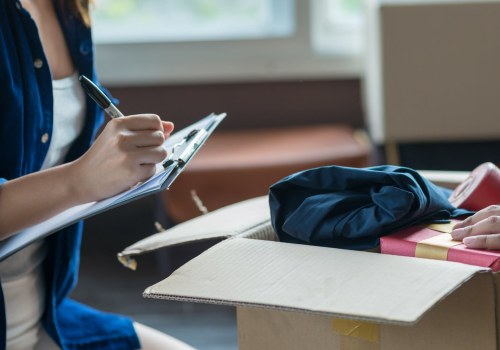
- Create a Last-Minute Packing List: Before you start packing, jot down a list of items you’ll need right up until the moment you leave. This can include toiletries, chargers, important documents, and a change of clothes.
- Use Suitcases and Bags: Instead of using boxes for your last-minute items, utilize your suitcases and bags. This not only saves space but also makes it easier to transport your essentials.
- Pack an Essentials Box: Designate a box or bag for your essentials that you will need immediately upon arrival at your new home. Include items like toilet paper, snacks, and basic kitchen supplies.
- Keep Important Documents Accessible: Make sure to keep all important documents such as passports, medical records, and moving contracts in a separate folder that is easy to access during the move.
- Label Everything: Clearly label your last-minute boxes or bags so that you can easily find what you need without rummaging through everything.
Use bright tape or markers to make them stand out.
Common Mistakes to Avoid When Packing Last
When it comes to last-minute packing, many people fall into common traps that can lead to unnecessary stress and complications. Here are some of the most frequent packing mistakes to avoid:- Procrastination: Waiting until the last minute to pack your final items can lead to a chaotic situation.
Instead, create a timeline that allows you to pack gradually, ensuring you have enough time to organize and label your boxes.
- Packing without a plan: Failing to have a clear strategy can result in disorganization. Make a list of the items you need to pack last and categorize them by room or importance.
- Neglecting essentials: It’s easy to forget about essential items like toiletries, chargers, and important documents. Keep a separate bag for these essentials so they are easily accessible on moving day.
- Overpacking boxes: In the rush to finish packing, many people tend to overstuff boxes. This can lead to damaged items or even injuries when lifting heavy boxes.
Use appropriately sized boxes and distribute weight evenly.
- Not labeling boxes: Failing to label your boxes can create confusion when unpacking. Clearly mark each box with its contents and the room it belongs in, making the unpacking process smoother.
Frequently Asked Questions About Last-Minute Packing
When it comes to last-minute packing, many people have questions that can help ease the stress of moving. Here are some frequently asked questions and their answers:- What should I pack last when moving? The last items to pack should be those you use daily, such as toiletries, medications, and essential electronics.
These items are crucial for your comfort during the transition.
- How can I make last-minute packing easier? To simplify the process, create a packing checklist that prioritizes essential items. Gather packing supplies in advance and consider enlisting help from friends or family.
- Should I pack food last? If you have perishable items, it's best to pack them last. Non-perishable food can be packed earlier, but keep a few snacks handy for the moving day.
- What if I run out of boxes? If you find yourself short on boxes at the last minute, consider using suitcases, laundry baskets, or even trash bags for soft items like clothes and bedding.
- How do I keep track of my packed items? Label each box clearly with its contents and the room it belongs to. This will make unpacking much easier and help you locate essential items quickly.
Conclusion: Mastering Your Moving Day with Smart Packing Strategies
As you prepare for your move, it’s essential to remember that the last thing you pack can significantly impact your moving day experience.By employing smart packing strategies, you can ensure a smoother transition to your new home.Throughout this article, we’ve discussed various aspects of packing, from organizing your belongings to prioritizing essential items. Here are some key takeaways:
- Plan Ahead: Start packing well in advance to avoid last-minute chaos. Create a timeline that outlines when to pack each room.
- Label Everything: Clearly label boxes with their contents and the room they belong to. This will save you time and frustration when unpacking.
- Pack Essentials Last: Keep your daily necessities accessible until the very end.
Items like toiletries, a change of clothes, and important documents should be packed last.
- Stay Organized: Use a checklist to track what you’ve packed and what still needs to be done. This will help you stay focused and reduce stress.