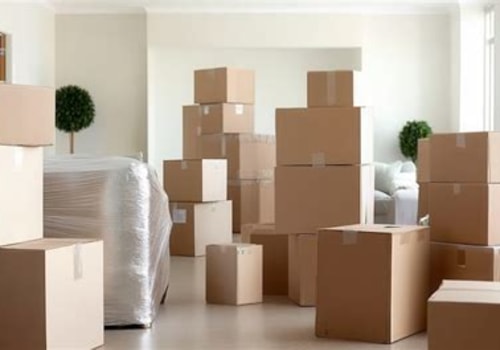
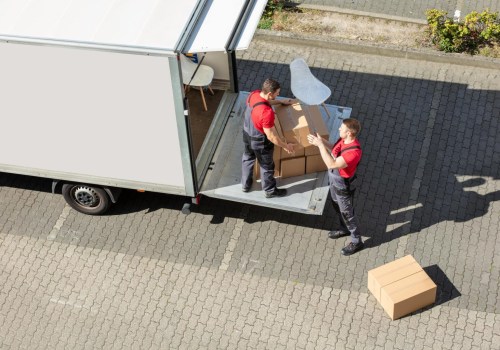
Moving can be an overwhelming experience, filled with a mix of excitement and anxiety. Understanding the moving process is crucial to ensuring a smooth transition from one home to another. When the day finally arrives and the movers show up at your doorstep, it’s essential to know what to expect. This not only helps in managing your own expectations but also allows you to facilitate the movers' work efficiently. On moving day, the atmosphere can be hectic, with boxes piled high and furniture being loaded onto trucks.
To navigate this chaos, having a clear plan is vital. You should prepare by organizing your belongings ahead of time and ensuring that everything is easily accessible for the movers. This preparation will not only save time but also reduce stress for everyone involved. Additionally, it’s important to communicate effectively with your moving team. Let them know about any fragile items or special instructions regarding your belongings.
By fostering a collaborative environment, you can help ensure that your possessions are handled with care. Remember, the goal is to make this transition as seamless as possible, so take a deep breath and embrace the journey ahead.
Preparing Your Home for Movers
Preparing your home for movers is essential to ensure a smooth and efficient moving day. Here are some practical steps to help you get ready:- Declutter: Before the movers arrive, take the time to go through your belongings and declutter. This not only makes packing easier but also reduces the volume of items that need to be moved.
Consider donating or selling items you no longer need.
- Pack Smart: Start packing non-essential items well in advance. Use sturdy boxes and label each box with its contents and the room it belongs to. This will help the movers know where to place each box in your new home.
- Protect Your Home: To prevent damage during the move, consider using protective coverings for floors and corners. You can use old blankets or cardboard to shield high-traffic areas from scratches and scuffs.
- Clear Pathways: Ensure that all pathways, both inside and outside your home, are clear of obstacles.
This includes removing any furniture, decorations, or other items that could hinder the movers' progress.
- Communicate with Movers: Provide the movers with any specific instructions regarding fragile items or special handling requirements. A quick briefing can help them understand your needs better.
- Confirming the moving date and time with the moving company.
- Ensuring all utilities are disconnected or transferred.
- Setting aside essential items you’ll need immediately after the move.
What to Do During the Move
When the movers arrive, it’s essential to create an environment that allows them to work efficiently while ensuring your belongings are handled with care. Here are some actionable tips on what to do when movers are here.- Communicate Clearly: As soon as the movers arrive, take a moment to introduce yourself and discuss any specific instructions regarding fragile items or special requests.
Clear communication helps avoid misunderstandings.
- Stay Accessible: While it’s important to give the movers space to work, make sure you’re available for any questions they might have. This can help streamline the process and ensure everything is loaded correctly.
- Keep Pets and Children Safe: If you have pets or young children, consider arranging for them to be at a friend’s house or in a separate room. This minimizes distractions and keeps everyone safe during the moving process.
- Organize Your Essentials: While the movers are busy loading your belongings, take this time to gather your essentials—like important documents, medications, and a change of clothes—so they’re easily accessible when you arrive at your new home.
- Document the Process: Consider taking photos of your items as they are being loaded. This can serve as a record in case of any damage or loss during the move.
- Prepare for Arrival: Use this time to make sure your new home is ready for the movers.
Ensure that pathways are clear and that any necessary parking permits are displayed.
Communicating with Your Movers
Effective communication with your movers is crucial for a smooth relocation experience. Clear dialogue not only helps in setting expectations but also ensures that your belongings are handled with care. Here are some tips on how to communicate effectively with your movers:- Be Clear and Concise: When discussing your moving needs, be specific about what items need to be moved, any fragile items that require special handling, and the layout of your new home.
This clarity helps movers plan their approach.
- Ask Questions: Don’t hesitate to ask your movers questions. Inquire about their experience with similar moves, the estimated time for completion, and any potential challenges they foresee. This not only gives you peace of mind but also helps you gauge their expertise.
- Discuss Logistics: Talk about the logistics of the move, including parking arrangements, elevator access, and any restrictions at your new location. Providing this information upfront can prevent delays on moving day.
- Provide Contact Information: Ensure that your movers have a way to reach you during the move.
Whether it’s a phone number or an email address, being reachable can help resolve any issues that may arise quickly.
- Be Respectful: Treat your movers with respect and kindness. A simple thank you can go a long way in creating a pleasant atmosphere.
- Offer Refreshments: If the move is extensive, consider offering water or snacks. This small gesture can boost morale and show appreciation for their hard work.
- Stay Accessible: While it’s important to let movers do their job, remain available to answer questions or provide guidance as needed.
Safety Considerations During the Move
When movers are around, ensuring safety is paramount for both the homeowners and the moving crew. Here are some essential safety tips for moving day that can help create a secure environment:- Clear Pathways: Before the movers arrive, make sure to clear all pathways, both inside and outside your home.
Remove any obstacles such as rugs, furniture, or debris that could cause tripping hazards.
- Secure Pets: Keep pets in a separate room or with a friend during the move. This prevents them from getting underfoot and reduces stress for both your pets and the movers.
- Communicate Clearly: Establish clear communication with your moving team. Discuss any fragile items or areas that require special attention. Use hand signals or designated phrases to convey important messages quickly.
- Use Proper Lifting Techniques: If you’re helping with the move, remember to lift with your legs, not your back.
Bend at the knees and keep your back straight to avoid injuries.
- Stay Hydrated: Moving can be physically demanding. Ensure that everyone involved has access to water and takes breaks as needed to stay hydrated and energized.
- Check Weather Conditions: Be aware of the weather on moving day. Rain or snow can create slippery conditions, so take extra precautions if necessary.
- Use Safety Gear: If you’re handling heavy items, consider wearing gloves and closed-toe shoes to protect yourself from injuries.
- Inspect Equipment: Ensure that all moving equipment, such as dollies and straps, are in good condition before use.
Faulty equipment can lead to accidents.
Post-Move Tasks and Considerations
Once the movers have left, it’s time to focus on settling into your new home. This transition can be overwhelming, but having a post-move checklist can help streamline the process and ensure that nothing important is overlooked.1.Inspect Your Belongings
Before you start unpacking, take a moment to inspect your belongings. Check for any damage that may have occurred during the move.If you notice any issues, document them with photos and contact your moving company to discuss potential claims.
2.Unpack Essentials First
Begin by unpacking the essentials. This includes items you need for daily living such as:- Kitchenware: Dishes, utensils, and basic cooking supplies.
- Bedding: Sheets, pillows, and blankets for a good night's sleep.
- Toiletries: Personal care items like soap, shampoo, and towels.
3.Set Up Utilities and Services
If you haven’t done so already, ensure that all utilities are set up and functioning. This includes:- Electricity
- Water
- Internet and cable
4.Organize Your Space
As you unpack, take the time to organize your belongings in a way that makes sense for your lifestyle. Consider the flow of each room and how you use the space.This will help create a functional environment that suits your needs.
5.Explore Your New Neighborhood
Once you’ve settled in, take some time to explore your new neighborhood. Locate nearby grocery stores, parks, and other essential services. Getting familiar with your surroundings can help you feel more at home.By following these steps after the movers leave, you can ensure a smoother transition into your new space and start enjoying your new home sooner rather than later.Frequently Asked Questions About Moving Day
Moving day can be a whirlwind of activity, and it’s natural to have questions. Here are some frequently asked questions that can help ease your concerns:- What should I do before the movers arrive?
Make sure to pack all your belongings ahead of time, label boxes clearly, and create a designated area for items that you want to keep with you.It’s also helpful to have a plan for parking and access to your home.
- How do I prepare my home for the movers?
Clear pathways and ensure that there’s enough space for the movers to maneuver large items. Protect your floors and walls by using blankets or cardboard, especially in high-traffic areas. - What if I have special items that need extra care?
Inform your moving company in advance about any fragile or valuable items. They may offer specialized packing services or advice on how to handle these items safely. - Can I help the movers?
While it’s great to offer assistance, it’s best to let the professionals handle heavy lifting. You can help by directing them to where items should go in your new home. - What if something gets damaged during the move?
Most reputable moving companies offer insurance options.Be sure to understand their policies and document any damages immediately.