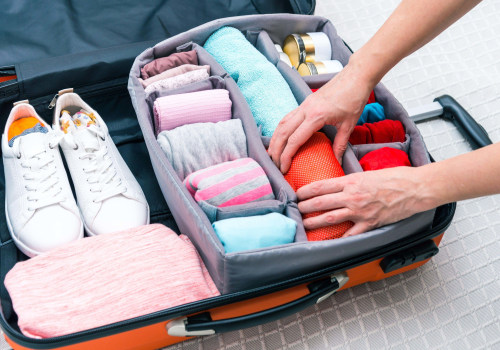
When it comes to moving supplies, the choices you make can significantly impact the efficiency and safety of your move. Among the various packing materials available, two of the most common options for transporting clothes are boxes and bags. Each has its own set of advantages and disadvantages, making it essential to understand their characteristics before deciding which is best for your needs. Boxes are often favored for their structural integrity and ability to stack neatly, providing a stable option for transporting clothing. They can be easily labeled, allowing for quick identification of contents, which is particularly useful during unpacking.
On the other hand, bags offer flexibility and convenience, especially when dealing with bulkier items or when space is limited. They can be compressed and fit into tight spots, making them a practical choice for certain types of clothing. As you prepare for your move, consider the nature of your clothing items. Are they delicate garments that require extra protection? Or are they everyday wear that can withstand a bit of jostling? Understanding these factors will help you make an informed decision about whether to use boxes or bags for your clothing. In the following sections, we will delve deeper into the pros and cons of each option, helping you determine the best approach for your specific moving situation.
The Pros and Cons of Using Bags for Packing Clothes
When it comes to packing clothes for a move, using bags can be a convenient option, but it also comes with its own set of advantages and disadvantages.Understanding these can help you make an informed decision that suits your needs.
Advantages of Using Bags
- Lightweight and Portable: Bags are generally lighter than boxes, making them easier to carry, especially when filled with clothing.
- Flexible Storage: Bags can be squeezed into tight spaces, allowing for more efficient use of available space in your moving vehicle.
- Quick Packing: Packing clothes in bags can be faster than folding and stacking them in boxes, which is particularly beneficial if you're short on time.
- Protection from Moisture: Many bags are made from materials that can offer some level of protection against moisture, helping to keep your clothes dry during transit.
Disadvantages of Using Bags
- Lack of Structure: Unlike boxes, bags do not provide rigid support, which can lead to clothes getting wrinkled or damaged during the move.
- Limited Visibility: It can be challenging to see what’s inside a bag without opening it, making it harder to find specific items when you arrive at your new home.
- Potential for Loss: Bags can easily be misplaced or lost during the moving process, especially if they are not clearly labeled.
- Less Protection: While bags may offer some moisture protection, they generally do not provide the same level of protection against impacts as boxes do.
The Pros and Cons of Using Boxes for Packing Clothes
When it comes to packing clothes for a move, using boxes can be a practical choice, but it also comes with its own set of advantages and disadvantages. Understanding these can help you make an informed decision that suits your needs.Advantages of Using Boxes
- Protection: Boxes provide a sturdy structure that can protect your clothes from damage during transit. They shield against moisture, dust, and potential crushing from heavier items.
- Organization: Using boxes allows for better organization.
You can categorize your clothes by type or season, making it easier to unpack and find what you need when you arrive at your new home.
- Stackability: Boxes are designed to be stacked, which maximizes space in the moving truck. This can lead to more efficient packing and potentially lower moving costs.
- Labeling: It’s easy to label boxes, which helps in identifying contents quickly. This is particularly useful if you have multiple boxes filled with different types of clothing.
Disadvantages of Using Boxes
- Weight: When packed with clothes, boxes can become heavy and cumbersome. This may make lifting and transporting them more difficult, especially if they are overstuffed.
- Space Consumption: While boxes are stackable, they can take up more space than bags when not fully packed.
Empty boxes can also be challenging to store before the move.
- Time-Consuming: Packing clothes into boxes can be more time-consuming compared to simply throwing them into bags. Each box needs to be filled, sealed, and labeled, which requires additional effort.
- Potential for Wrinkles: Depending on how clothes are packed, they may end up wrinkled in boxes. This is especially true for delicate fabrics that require careful handling.
Comparative Analysis: Bags vs.
Boxes for Clothes PackingWhen it comes to packing clothes for a move, the choice between bags and boxes can significantly impact your overall experience. Each option has its own set of advantages and disadvantages that can affect packing efficiency, protection of your items, and ease of handling.
Space Efficiency
Bags, particularly those made from durable materials like canvas or heavy-duty plastic, can be more space-efficient than boxes. They can easily conform to the shape of your belongings, allowing you to maximize every inch of available space in your moving vehicle. On the other hand, boxes come in standard sizes, which may lead to wasted space if not filled properly.Protection
When it comes to protecting your clothes during transit, boxes generally offer better structural integrity.They shield your items from external pressure and potential damage. However, bags can provide adequate protection if they are padded or lined appropriately. For delicate fabrics, using boxes with tissue paper or bubble wrap can prevent creasing and damage.
Ease of Handling
Bags are often easier to carry, especially when they come with handles or shoulder straps. This can be particularly beneficial when navigating stairs or tight spaces.Conversely, boxes can become heavy and cumbersome, making them more challenging to lift and transport. However, boxes stack neatly, which can help in organizing your moving truck.
Conclusion
Ultimately, the decision between bags and boxes for moving clothes depends on your specific needs. If you prioritize packing efficiency and ease of handling, bags may be the better choice. However, if protection and organization are your main concerns, boxes could be the way to go.Consider a combination of both methods for optimal results.
Tips for Packing Clothes Effectively Regardless of Method
Packing clothes effectively is crucial for a smooth moving experience, whether you choose bags or boxes. Here are some practical tips to help you organize and protect your clothing during the move.- Sort and Declutter: Before packing, take the time to sort through your clothes. Separate items into categories: keep, donate, and discard. This not only reduces the volume of clothing you need to pack but also makes unpacking easier.
- Use Wardrobe Boxes: If you opt for boxes, consider using wardrobe boxes for hanging clothes.
These boxes come with a built-in hanging rod, allowing you to transfer clothes directly from your closet without folding.
- Roll Instead of Fold: When packing clothes in bags or boxes, rolling them can save space and reduce wrinkles. This method is particularly effective for t-shirts, jeans, and casual wear.
- Utilize Vacuum-Sealed Bags: For seasonal clothing or items you won’t need immediately, vacuum-sealed bags can significantly reduce the amount of space they occupy. Just be cautious with delicate fabrics that may get crushed.
- Label Everything: Regardless of whether you use bags or boxes, labeling is essential. Clearly mark each container with its contents and the room it belongs to.
This will streamline the unpacking process and help you locate items quickly.
- Protect Delicate Items: For fragile or delicate clothing items, such as silk or lace, consider wrapping them in tissue paper before placing them in boxes. This extra layer of protection can prevent damage during transit.
- Pack an Essentials Bag: Don’t forget to pack a separate bag with essential clothing items for the first few days after your move. Include items like pajamas, a couple of outfits, and any necessary accessories to make your transition smoother.
Frequently Asked Questions About Packing Clothes When Moving
When it comes to packing clothes for a move, many people have questions about the best methods and materials to use.Here are some of the most frequently asked questions regarding this topic:
- Should I use bags or boxes for packing clothes?
Both bags and boxes have their advantages.Bags
are lightweight and flexible, making them ideal for bulkier items like jackets and sweaters. On the other hand, boxes provide better protection against damage and can be stacked easily, which is beneficial for organization during the move. - How do I pack clothes to avoid wrinkles?
To minimize wrinkles, consider using garment bags for hanging clothes. For folded items, roll them instead of folding to save space and reduce creasing.Additionally, packing clothes tightly in boxes can help keep them from shifting during transit.
- What is the best way to pack shoes?
When packing shoes, it’s best to keep them in their original boxes if possible. If not, use sturdy plastic bags or wrap them in clothing to protect them from scuffs and dirt. Placing smaller items inside shoes can also save space. - Can I leave clothes in drawers when moving?
While it may seem convenient, it’s generally not advisable to leave clothes in drawers. Drawers can be heavy and cumbersome, making them difficult to transport.Instead, remove the clothes and pack them separately in bags or boxes.
- How should I label my packed clothing?
Labeling is crucial for an organized move. Use clear labels on each box or bag indicating the contents and the room they belong to. For example, "Winter Clothes - Bedroom" helps ensure that you know where everything goes upon arrival.
Conclusion: Making the Right Choice for Your Move
In conclusion, the decision between using bags or boxes for moving clothes ultimately depends on your specific needs and preferences. Each option has its own set of advantages and disadvantages that can significantly impact the efficiency and safety of your move.Summary of Packing Options:
- Bags are lightweight, flexible, and often easier to carry, making them ideal for transporting clothing quickly.
- Boxes, on the other hand, provide better protection against damage and are stackable, which can save space in your moving vehicle.
Final Thoughts on Moving Clothes:
When deciding how to pack your clothing, consider factors such as the distance of your move, the type of clothing you own, and how much time you have to prepare.
For instance, if you’re moving a short distance and need quick access to your clothes, bags may be the better choice. However, for long-distance moves or valuable garments, investing in sturdy boxes could be more beneficial.
Best Practices for Moving Clothing:
- Regardless of your choice, always ensure that clothes are clean and dry before packing to prevent mildew.
- Use vacuum-sealed bags for seasonal clothing to save space and protect against moisture.
- If using boxes, consider labeling them clearly to make unpacking easier.