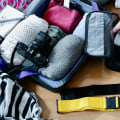
Packing for a trip can often feel overwhelming, especially when trying to decide what to bring and what to leave behind. The 5-4-3-2-1 rule offers a straightforward and effective strategy to simplify this process, making it easier for travelers to pack efficiently without the stress of overpacking. This method breaks down your packing list into manageable categories, ensuring you have everything you need while keeping your luggage light. At its core, the 5-4-3-2-1 rule suggests that you should pack five tops, four bottoms, three pairs of shoes, two pieces of outerwear, and one hat or accessory. This guideline not only helps in organizing your clothing but also encourages you to mix and match items, maximizing outfit combinations while minimizing bulk.
By adhering to this rule, travelers can focus on versatility and practicality, which are essential for any journey. Understanding the 5-4-3-2-1 rule is particularly beneficial for those who struggle with packing light or find themselves frequently overstuffing their bags. It serves as a reminder that less is often more when it comes to travel essentials. As we delve deeper into this article, we will explore how to implement this rule effectively and provide additional packing tips that align with this strategy, ensuring you are well-prepared for your next adventure.
Breaking Down the 5-4-3-2-1 Rule
The 5-4-3-2-1 rule is a practical guideline designed to simplify the packing process for travelers. By categorizing items into specific quantities, it helps ensure that you have everything you need without overpacking.Here’s a detailed breakdown of each component:
- 5 Tops: Start with five tops, which can include a mix of t-shirts, blouses, or sweaters. Choose versatile options that can be layered or dressed up for different occasions. This variety allows you to adapt to changing weather and activities.
- 4 Bottoms: Next, pack four bottoms such as pants, shorts, or skirts. Opt for neutral colors that can easily match with your tops.
This strategy not only maximizes outfit combinations but also minimizes the weight of your luggage.
- 3 Pairs of Shoes: Shoes can take up significant space in your suitcase, so limit yourself to three pairs. Consider packing a pair of comfortable walking shoes, a dressier option for evenings out, and sandals or flip-flops for casual outings or beach days.
- 2 Accessories: Accessories can elevate your outfits without taking up much space. Pack two versatile accessories such as a scarf and a hat or a belt and a piece of jewelry. These items can add flair to your look while being functional.
- 1 Outer Layer: Finally, include one outer layer like a jacket or coat.
Depending on your destination's climate, choose something lightweight yet warm enough to keep you comfortable during cooler evenings or unexpected weather changes.
The Benefits of Using the 5-4-3-2-1 Rule
The 5-4-3-2-1 rule for packing offers numerous advantages that can significantly enhance your travel experience. By adhering to this simple guideline, travelers can enjoy a more organized and efficient packing process, ultimately leading to a more enjoyable trip.Time-Saving Benefits
One of the most notable benefits of the 5-4-3-2-1 rule is the time savings it provides. Instead of spending hours deliberating over what to pack, this method streamlines the decision-making process.By limiting the number of items in each category—five tops, four bottoms, three pairs of shoes, two bags, and one jacket—you can quickly assess what you need without getting overwhelmed.
Stress Reduction
Packing can often be a source of stress for many travelers. The 5-4-3-2-1 rule helps alleviate this anxiety by providing a clear framework to follow. Knowing exactly how many items to include in your suitcase reduces the chances of overpacking or forgetting essential items. This structured approach allows you to focus on other aspects of your trip, such as planning activities or preparing for your journey.Efficient Use of Space
Another advantage of this packing rule is its ability to promote efficient use of space.By limiting the number of items, you can maximize the available space in your luggage. This not only makes it easier to close your suitcase but also leaves room for souvenirs or additional items you may acquire during your travels.
Encourages Versatility
The 5-4-3-2-1 rule encourages travelers to choose versatile clothing options that can be mixed and matched. This means you can create multiple outfits from a limited number of pieces, allowing for greater flexibility while minimizing bulk. As a result, you can adapt to various situations—whether it’s a casual day out or a formal dinner—without needing an extensive wardrobe.In summary, the 5-4-3-2-1 rule not only simplifies the packing process but also enhances your overall travel experience by saving time, reducing stress, promoting efficient use of space, and encouraging versatility in your wardrobe choices.Tips for Implementing the 5-4-3-2-1 Rule Effectively
Implementing the 5-4-3-2-1 rule for packing can streamline your travel experience, whether you're heading out for a business trip or a leisurely vacation.Here are some practical tips to help you make the most of this effective packing strategy:
- Assess Your Destination: Before you start packing, consider the climate and activities available at your destination. This will help you determine which items are essential and which can be left behind.
- Choose Versatile Clothing: When selecting your 5 clothing items, opt for pieces that can be mixed and matched. Neutral colors and layers can maximize outfit combinations while minimizing space.
- Prioritize Essentials: For the 4 pairs of shoes, think about the activities you'll engage in. A pair of comfortable walking shoes, a dressier option, sandals, and perhaps a pair of flip-flops for the beach can cover most scenarios.
- Limit Accessories: Stick to 3 accessories that complement your outfits.
A versatile scarf, a statement necklace, and a pair of sunglasses can elevate your look without taking up much space.
- Pack Toiletries Wisely: For the 2 toiletries, choose travel-sized versions of your must-haves. Consider multi-use products like a moisturizer with SPF to save space and weight.
- Don’t Forget Important Documents: The 1 item you should never leave behind is your travel documents. Keep your passport, tickets, and any necessary identification in an easily accessible pocket or pouch.
Remember, the key is to plan ahead and be mindful of what you truly need!
Common Mistakes to Avoid When Packing with the 5-4-3-2-1 Rule
Packing can be a daunting task, especially when trying to adhere to the 5-4-3-2-1 rule. While this method simplifies the packing process, there are several common mistakes that travelers often make. Here are some pitfalls to avoid for a smoother packing experience.- Ignoring the Rule's Flexibility: One of the biggest errors is treating the 5-4-3-2-1 rule as a strict guideline rather than a flexible framework. Adjust the numbers based on your destination and activities.
For instance, if you're going to a beach resort, you might need more than five pairs of underwear.
- Overpacking Accessories: Many travelers tend to overpack accessories, thinking they will need multiple options. Instead, choose versatile pieces that can be mixed and matched. This not only saves space but also reduces decision fatigue.
- Neglecting Weather Conditions: Failing to consider the weather at your destination can lead to packing inappropriate clothing. Always check the forecast and pack accordingly, even if it means adjusting your 5-4-3-2-1 counts.
- Forgetting Essentials: In the excitement of packing, it’s easy to overlook essential items like toiletries or chargers.
Make a checklist before you start packing to ensure you don’t forget anything crucial.
- Packing Too Late: Rushing through your packing can lead to mistakes. Start early and give yourself time to think through what you really need. This will help you avoid last-minute panic and unnecessary items.
Real-Life Examples of the 5-4-3-2-1 Rule in Action
The 5-4-3-2-1 rule for packing is not just a theoretical concept; it has been successfully applied by many travelers in various scenarios.Here are some real-life examples that illustrate its effectiveness and adaptability.
Example 1: A Weekend Getaway
Sarah, a frequent traveler, recently planned a weekend trip to the mountains. By following the 5-4-3-2-1 rule, she packed:- 5 pairs of socks
- 4 tops (including a mix of casual and one nicer shirt)
- 3 bottoms (jeans and shorts)
- 2 pairs of shoes (hiking boots and sandals)
- 1 jacket suitable for the weather
Example 2: Business Trip Efficiency
John, a business professional, often travels for work. On his last trip, he utilized the 5-4-3-2-1 rule to streamline his packing:- 5 dress shirts for meetings
- 4 ties to match his shirts
- 3 pairs of dress pants
- 2 pairs of shoes (one formal and one casual)
- 1 blazer that coordinated with all outfits
Example 3: Family Vacation Planning
The Martinez family decided to take a week-long beach vacation. To avoid chaos while packing for four family members, they collectively applied the 5-4-3-2-1 rule.Each family member packed:
- 5 swimsuits (to rotate during the week)
- 4 beach towels (to accommodate everyone)
- 3 pairs of shorts or swim trunks each
- 2 pairs of flip-flops or sandals per person
- 1 sun hat or cap for sun protection per person
FAQs About the 5-4-3-2-1 Rule for Packing
The 5-4-3-2-1 rule for packing is a practical guideline designed to simplify the packing process, especially for travelers. Here are some frequently asked questions that can help clarify its application:- What does the 5-4-3-2-1 rule entail?
The rule suggests packing 5 tops, 4 bottoms, 3 pairs of shoes, 2 bags, and 1 jacket. This balanced approach ensures you have enough variety without overpacking. - Is this rule suitable for all types of trips?
While the 5-4-3-2-1 rule is versatile, it works best for short to medium trips. For longer vacations or specific activities (like hiking), you may need to adjust the quantities. - Can I modify the numbers?
Absolutely! The numbers are guidelines.Feel free to adjust them based on your personal style, destination climate, and planned activities.
- How do I choose which items to pack?
Focus on versatile pieces that can be mixed and matched. For example, select neutral colors for tops and bottoms that can create multiple outfits. - What if I need more than one jacket?
If your destination requires different types of jackets (like a raincoat and a warmer coat), consider adjusting the rule to fit your needs while keeping the overall packing light.
Conclusion: Simplifying Your Packing Process with the 5-4-3-2-1 Rule
In conclusion, the 5-4-3-2-1 rule serves as a practical framework for simplifying your packing process, ensuring that you have everything you need without the burden of overpacking. By adhering to this method, you can streamline your travel preparations and focus on enjoying your trip rather than stressing over what to bring.This rule encourages travelers to pack:- 5 tops
- 4 bottoms
- 3 pairs of shoes
- 2 accessories
- 1 jacket or outerwear
This flexibility allows for a variety of looks while keeping your suitcase manageable.Moreover, the 5-4-3-2-1 rule promotes mindful packing. It encourages you to consider each item’s necessity and versatility, which can lead to more thoughtful choices about what you truly need for your journey. This approach not only saves space but also minimizes the stress associated with packing and unpacking.Ultimately, adopting the 5-4-3-2-1 rule can transform your travel experience. It empowers you to travel light, stay organized, and enjoy your adventures without the hassle of excess baggage.
So next time you prepare for a trip, remember this simple yet effective packing strategy to make your journey smoother and more enjoyable.