Moving to a new home is often a thrilling yet daunting experience, filled with a mix of excitement and anxiety. One of the most significant challenges that arises during this transition is packing. While every room in a house presents its own unique set of obstacles, some spaces are notoriously more difficult to pack than others. Utilizing effective storage solutions can help alleviate some of the stress associated with moving. When considering which room is the hardest to pack, it’s essential to recognize the emotional and logistical factors at play. . While every room in a house presents its own unique set of obstacles, some spaces are notoriously more difficult to pack than others. Utilizing effective storage solutions can help alleviate some of the stress associated with moving. When considering which room is the hardest to pack, it’s essential to recognize the emotional and logistical factors at play.
For many, the living room serves as a central hub for family gatherings and cherished memories, making it emotionally challenging to dismantle. On the other hand, rooms like the kitchen are fraught with logistical difficulties due to the sheer volume of items, from fragile dishware to bulky appliances. Each room requires careful consideration and planning, as packing improperly can lead to damage or loss. Moreover, the packing process often reveals hidden complexities that can catch even the most organized individuals off guard. From sorting through years of accumulated belongings to deciding what to keep or discard, the emotional weight of moving can complicate an already challenging task.
As we delve deeper into this topic, we will explore which room truly stands out as the hardest to pack and why it poses such significant moving difficulties.
The Living Room: A Hub of Complexity
Packing the living room can often feel like a daunting task due to its diverse array of items. From bulky furniture to delicate electronics and cherished decor, this space is a hub of complexity that requires careful planning and execution.Furniture Packing Tips
- Disassemble when possible: Take apart larger pieces like sofas and tables to save space and make them easier to transport.
- Use furniture pads: Protect your furniture with moving blankets or pads to prevent scratches and damage during transit.
- Label everything: Clearly label each piece and its corresponding parts to simplify reassembly in your new home.
Electronics Packing
- Original boxes: If you still have the original packaging for your electronics, use them. They are designed to protect your devices during moves.
- Cord management: Use zip ties or cable organizers to keep cords untangled. Label each cord to ensure you know which device it belongs to.
- Screen protection: For TVs and monitors, consider using a screen protector or bubble wrap to safeguard against scratches and impacts.
Decor and Accessories
- Wrap fragile items: Use bubble wrap or packing paper for fragile decor items like vases, picture frames, and collectibles.
- Group similar items: Pack similar items together in boxes, labeling them clearly.
This will make unpacking more efficient.
- Consider climate control: If you have valuable art or sensitive materials, ensure they are stored in climate-controlled conditions during the move.
The Kitchen: A Packing Nightmare
Packing the kitchen can often feel like a daunting task, primarily due to the sheer number of fragile items and the variety of appliances that need careful handling. Unlike other rooms, the kitchen is filled with delicate glassware, sharp utensils, and bulky appliances, making it a unique packing challenge.One of the first steps in tackling this packing nightmare is to organize your kitchen items. Start by categorizing everything into groups: dishes, glassware, utensils, small appliances, and food items.This will not only streamline the packing process but also help you keep track of what you have.
Strategies for Packing Fragile Items
- Use quality packing materials: Invest in sturdy boxes and plenty of bubble wrap or packing paper. Wrapping each fragile item individually can significantly reduce the risk of breakage.
- Pack strategically: Place heavier items at the bottom of boxes and lighter items on top. Fill any gaps with crumpled paper or towels to prevent movement during transit.
- Label boxes clearly: Mark boxes containing fragile items with "Handle with Care" to ensure they are treated gently during the move.
For larger appliances like microwaves or blenders, refer to the manufacturer’s instructions for safe packing methods.Don’t forget about food storage! Before moving day, take inventory of your pantry and refrigerator. Use up perishable items and donate non-perishables that you won’t be able to take with you. For items you do plan to move, pack them in sturdy containers to prevent spills.By implementing these strategies, you can transform your kitchen from a packing nightmare into a manageable task. With careful organization and attention to fragile items, you’ll ensure that your kitchen essentials arrive at your new home intact and ready for use.
The Bedroom: Emotional Attachments and Logistics
Packing the bedroom can often be one of the most emotionally challenging tasks during a move.This space is not just a place for sleep; it holds memories, personal items, and a sense of comfort. As you begin to pack, it’s essential to approach this task with both logistical organization and emotional sensitivity.
Clothing Organization
- Sort and Declutter: Before packing, take the time to go through your clothing. Separate items into categories: keep, donate, and discard. This not only lightens your load but also allows you to let go of items that no longer serve you.
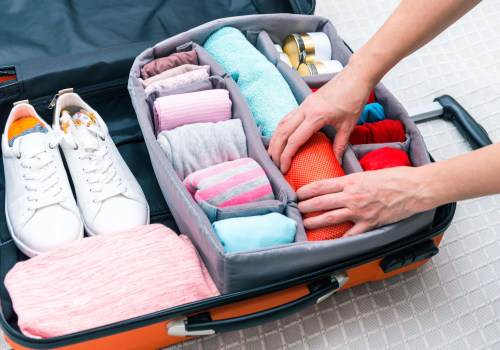
- Use Suitcases: Instead of packing clothes in boxes, consider using your suitcases.
They are designed for travel and can protect your clothing while making transportation easier.
- Pack by Season: If you’re moving during a specific season, pack clothes accordingly. This way, you can easily access what you need without rummaging through boxes.
Handling Sentimental Items
Your bedroom is likely filled with sentimental items, from childhood toys to gifts from loved ones. Here are some tips for managing these belongings:
- Create a Memory Box: Designate a box for items that hold significant emotional value. Limit yourself to one box to avoid overwhelming clutter.
- Take Photos: If parting with an item is too difficult, consider taking a photo of it before letting it go.
This way, you preserve the memory without keeping the physical object.
- Involve Family: If you have shared sentimental items with family members, discuss what to do with them together. This can help ease the emotional burden of deciding what to keep or let go.
The Bathroom: Small but Complicated
Packing the bathroom can often feel like a daunting task, especially given its small size. Despite being one of the smallest rooms in the house, it houses a myriad of items that require careful organization and packing.Here are some effective bathroom packing tips to ensure a smooth transition.
- Sort and Declutter: Before you start packing, take the time to go through your toiletries and other bathroom essentials. Discard any expired products or items you no longer use. This will not only lighten your load but also make packing more manageable.
- Group Similar Items: Organize your toiletries into categories such as skincare, haircare, and oral hygiene. This will help you keep track of what you have and make unpacking easier at your new home.
- Use Small Containers: Utilize small bins or ziplock bags to group smaller items together.
This prevents them from getting lost or damaged during the move. For example, keep all makeup in one bag and hair accessories in another.
- Protect Fragile Items: Toiletries like glass bottles or ceramic containers can easily break. Wrap these items in bubble wrap or towels for added protection. Place them in sturdy boxes labeled as "fragile" to ensure they are handled with care.
- Pack Essentials Separately: Create a separate bag for essential items you’ll need immediately upon arrival at your new home.
This should include toothbrushes, toothpaste, soap, and any medications. Having these items easily accessible will save you from rummaging through boxes on your first night.
By following these tips and maintaining an organized approach, you can ensure that nothing is left behind and that your new bathroom setup is as seamless as possible.
The Garage: A Hidden Challenge
When it comes to moving, the garage often presents a unique set of challenges that can make it one of the hardest rooms to pack. Unlike other areas of the home, garages typically house a diverse array of items, from tools and outdoor equipment to seasonal decorations and sports gear. This variety can make organization and packing feel overwhelming.Garage Packing Tips
- Sort and Declutter: Before you start packing, take the time to sort through your garage items. Create categories such as keep, donate, sell, and discard.
This will not only lighten your load but also help you identify what needs special attention during packing.
- Group Similar Items: Organize tools and equipment by type. For example, keep all gardening tools together, and group power tools separately. This will make unpacking in your new home much easier.
- Use Sturdy Containers: Invest in high-quality boxes or plastic bins for packing. Ensure that they are durable enough to hold heavy items like tools without breaking.
Label each container clearly to identify its contents at a glance.
Tools Organization
For those who have a collection of tools, consider using a pegboard or tool chest for organization. This not only keeps your tools accessible but also protects them from damage during the move. When packing tools:
- Wrap Sharp Edges: Use bubble wrap or old towels to protect sharp edges and prevent injury.
- Keep Small Parts Together: Use small bags or containers for screws, nails, and other small components to avoid losing them.
Packing Outdoor Equipment
Your outdoor equipment, such as lawnmowers, bicycles, and patio furniture, requires special consideration. Here are some tips:
- Dismantle When Possible: If you have large items like patio furniture or bicycles, disassemble them to save space and reduce the risk of damage.
- Clean Before Packing: Make sure all outdoor equipment is clean and dry before packing to prevent mold and mildew during transit.
By following these tips, you’ll ensure that your garage items are packed securely and ready for your new home.
Comparing the Challenges: Which Room is Truly the Hardest?
When it comes to moving, each room in a home presents its own unique set of challenges. To determine which room is the hardest to pack, we can compare the difficulties associated with various spaces, including the kitchen, living room, bedroom, and bathroom.Kitchen: The Complexity of Utensils and Appliances
The kitchen is often considered one of the most challenging rooms to pack due to the sheer number of items and their varying fragility. From sharp knives to heavy appliances, packing requires careful consideration to avoid damage.Additionally, the need for organization is paramount; categorizing items into boxes labeled by type (e.g., cookware, utensils, pantry items) can be time-consuming.
Living Room: Bulky Furniture and Fragile Decor
The living room poses its own set of challenges, primarily due to large furniture pieces like sofas and entertainment centers. These items are not only heavy but also require disassembly in some cases. Furthermore, fragile decor items such as vases and picture frames add another layer of complexity, necessitating extra padding and careful handling.Bedroom: Personal Items and Sentimental Value
Packing a bedroom can be emotionally taxing as it often contains personal belongings with sentimental value. Clothing can be cumbersome to pack efficiently, especially if you have a large wardrobe. Additionally, items like jewelry and keepsakes require special attention to ensure they are not lost or damaged during the move.Bathroom: Small but Mighty
The bathroom may seem straightforward due to its smaller size, but it presents unique challenges as well.The presence of numerous small items—such as toiletries and medications—requires meticulous organization. Moreover, ensuring that liquids do not leak during transport can be a significant concern.
Ranking the Difficulty
Based on these comparisons, we can rank the rooms in terms of packing difficulty:- Kitchen: High complexity due to fragile items and appliances.
- Living Room: Bulky furniture and fragile decor make it challenging.
- Bedroom: Emotional packing with personal items adds difficulty.
- Bathroom: Small but requires careful organization of numerous items.
Frequently Asked Questions About Packing Difficulties
When it comes to packing for a move, many people encounter specific challenges that can make the process overwhelming. Here are some frequently asked questions regarding packing difficulties:- What is the hardest room to pack? The kitchen is often considered the hardest room to pack due to its numerous fragile items, appliances, and various sizes of cookware.
Ensuring everything is packed securely to prevent breakage can be a daunting task.
- How do I pack fragile items? To pack fragile items, use plenty of bubble wrap, packing paper, or foam peanuts. Make sure to label boxes containing fragile items clearly and consider using a "fragile" sticker for added visibility.
- What should I do with large furniture? Dismantling large furniture pieces can make them easier to transport. Use furniture pads or blankets to protect surfaces during the move. If possible, measure doorways and hallways beforehand to ensure everything fits.
- How can I make packing easier? Create a packing schedule and start with non-essential items.
Use color-coded labels for each room to streamline the unpacking process. Additionally, enlisting help from friends or hiring professional movers can alleviate some of the stress.
- What are common packing mistakes? Some common mistakes include overpacking boxes, neglecting to label boxes, and failing to secure fragile items properly. Avoid these pitfalls by planning ahead and taking your time during the packing process.
Conclusion: Mastering the Art of Packing for Your Move
In conclusion, mastering the art of packing for your move is essential, especially when it comes to the hardest rooms in your home. By understanding the unique challenges each room presents, you can develop effective strategies to streamline the packing process. As discussed, the kitchen often tops the list of difficult spaces due to its myriad of fragile items and diverse appliances.To tackle this room, consider the following:
- Start early: Begin packing non-essential items well in advance.
- Use proper packing materials: Invest in sturdy boxes and bubble wrap to protect fragile dishes and glassware.
- Label everything: Clearly mark boxes with their contents and designated rooms to simplify unpacking.
- Sort and declutter: Before packing, take time to sort through items and donate or discard what you no longer need.
- Group similar items: Keep tools, gardening supplies, and sports equipment together for easier access later.
- Use wardrobe boxes: These are perfect for hanging clothes and can save time during unpacking.
- Packing essentials separately: Keep a bag with necessary items like toiletries and a change of clothes easily accessible.
With these insights in mind, you’ll be well-equipped to handle your move with confidence and ease.